Here’s a scenario that can cause headaches for homeowners — especially if you’ve bought a house with an illegal addition or extension without realising it. You’re planning some renovations or an extension for your home. You submit the plans to your local council but then receive a building notice that part of your property was built illegally by the previous owners without council approval. What happens next?
Here’s how you can safeguard yourself from any unapproved work done by previous owners and the potential risks of illegal structures.
Let’s first explore the issue itself and then ways to protect yourself via due diligence and Title Insurance.
Firstly, what is an illegal structure?
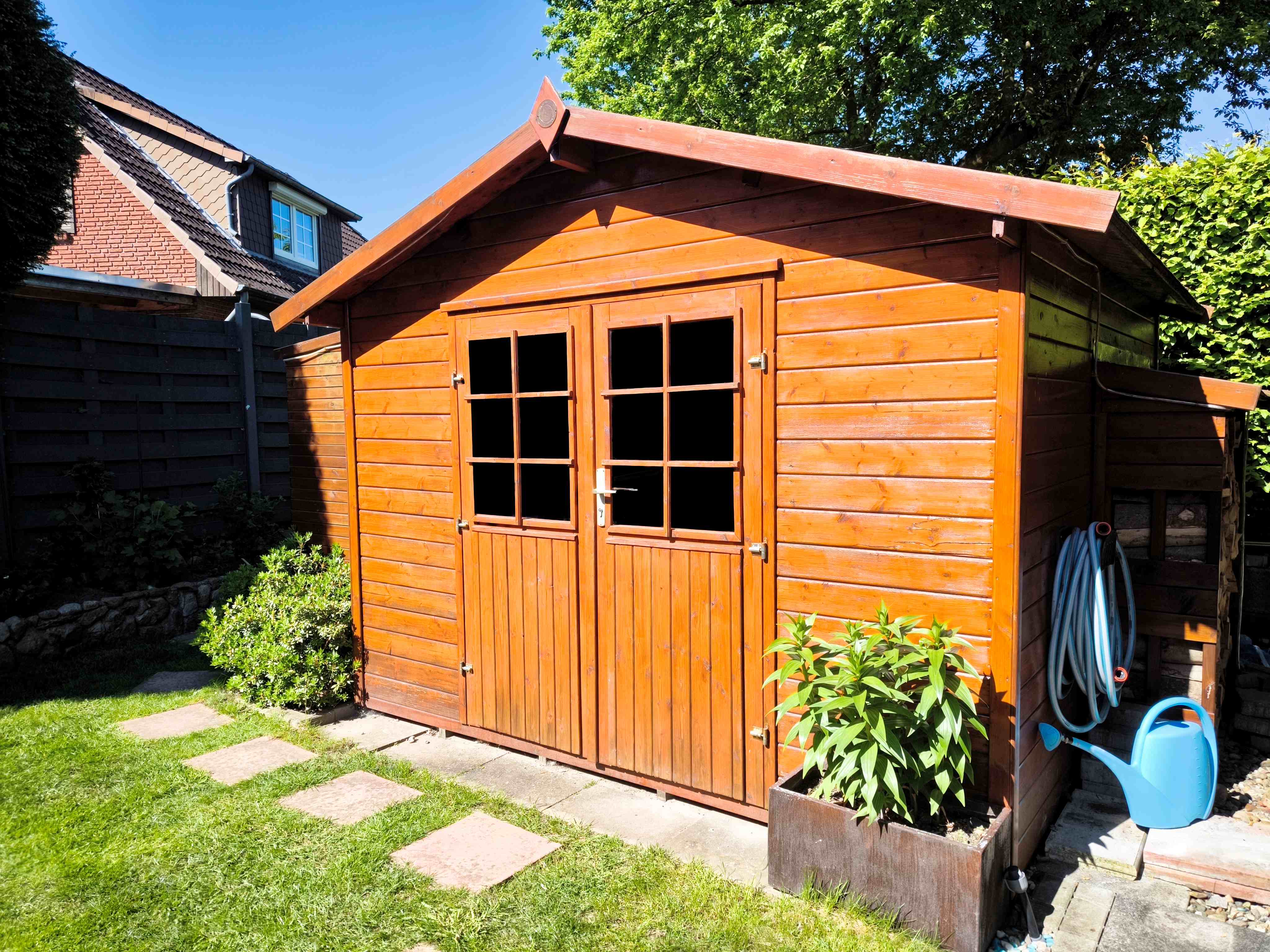
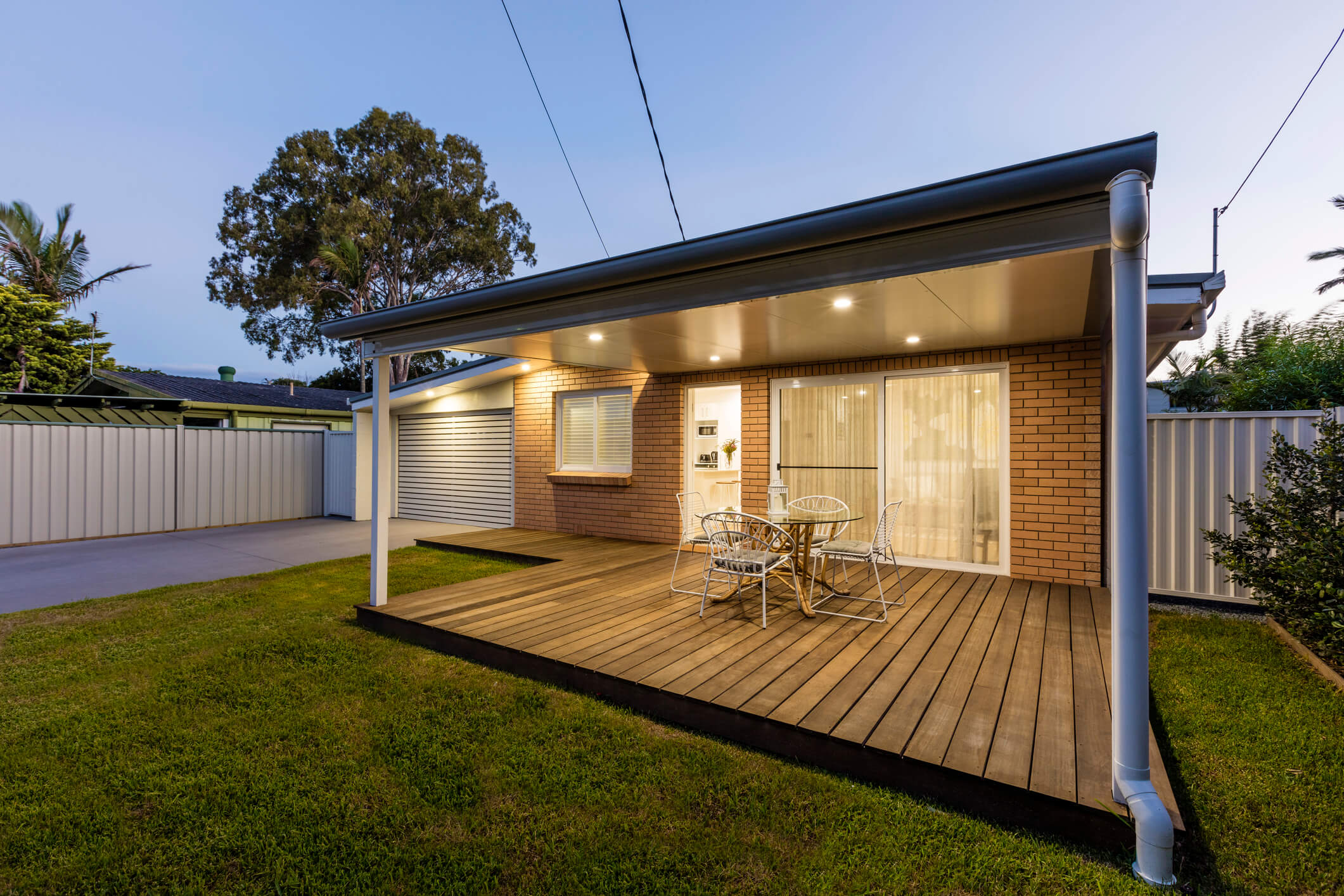
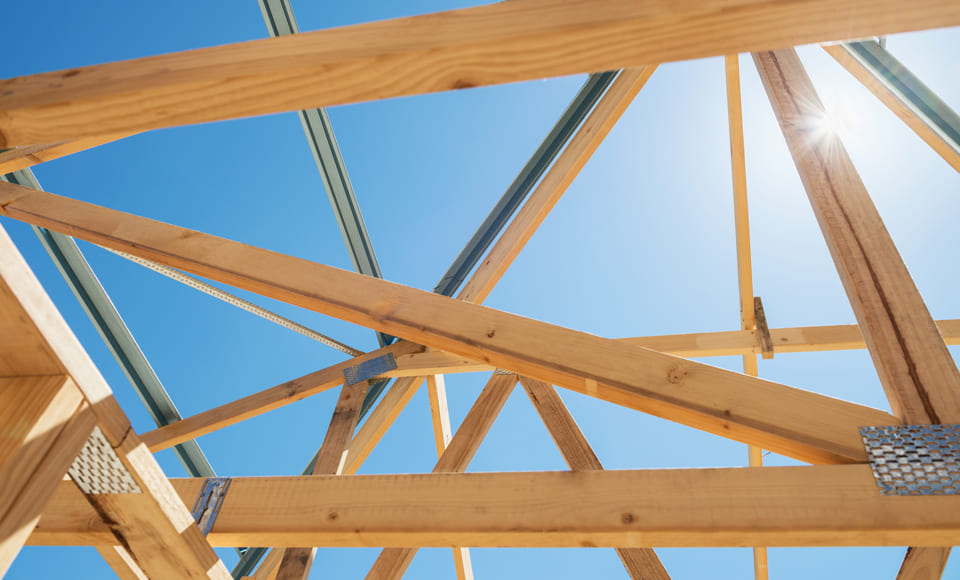
An illegal structure—sometimes referred to as illegal building works — is any addition or construction made without the necessary approval from your local planning authority. Examples include sheds, carports, verandas, decks, or even newly added rooms within a home.
There’s a very good reason why building approvals and permits are required — they help maintain high standards in construction. Without these approvals, illegal building works can introduce significant risks, including structural, electrical, plumbing, and drainage issues, as well as other hazards associated with unapproved structures.
You can find out more in our Title Insurance guide.
Surely a new owner isn’t responsible for the actions of a previous owner?
Depending on the terms of your sale, you could be held responsible. If you receive an order or notice from a council or other approving body, you may be responsible for either rectifying the illegal works or demolishing the works. This situation can become inconvenient and costly very quickly, sometimes reaching up to six figures for complex projects.
Why illegal building works can be undetected
Illegal building works can go unnoticed for years, especially if they were carried out by a previous owner. Many property listings or sales contracts may not disclose unapproved structures, and councils often won’t inspect unless a Development Application or building application triggers it. Even detailed conveyancing searches can miss unauthorised changes to a property. Without a targeted inspection or reason to suspect an issue, these works can remain hidden until a triggering event exposes them. Protect yourself by securing Title Insurance before settlement.
How illegal building works can be discovered
Submitting plans for renovations/extensions:
When you submit new building or renovation plans, the council may check existing structures for compliance. If they find unapproved works, you may be required to rectify them before your new plans are approved.
Insurance claims for damage:
Making an insurance claim for property damage can sometimes lead to a discovery of unapproved works during the insurer’s inspection or assessment process.
Pre-sale inspections or valuations:
Before a property is sold, a building inspector or valuer may identify works that don’t match council records, prompting further investigation.
Complaints by neighbours:
Neighbours may lodge a complaint with the council about a structure or renovation, triggering an inspection that reveals the works were done without approval.
How can you take measures to protect yourself against the risks of unknown illegal building works?
1. First, conduct due diligence before the settlement process, this may include inspecting the council records (or instructing your conveyancer to request these records) to ensure additions or renovations have been approved in the past. Additionally, you can engage an independent building inspector who may be able to identify existing illegal building works or works that don't seem to reflect previous council approvals.
2. Second, consider taking out Title Insurance. This type of insurance policy can be purchased before you purchase your property. Title Insurance can protect you from illegal works which are unknown to you prior to settlement.
How much protection does Title Insurance provide?
Here are two real-life examples where a Title Insurance premium paid for itself many times over.
1. A First Title customer who had purchased a home in Victoria — unaware they were buying a house with an illegal addition — received a Building Notice from the council requiring an unapproved balcony roof, spa, deck, veranda, access ramp and stairs to be demolished or obtain retrospective approval.
The customer made a claim with First Title, who reviewed the purchase file for the property, confirming there had been no disclosure of any unapproved structures. First Title reviewed quotes for the required design and building works and accepted the claim under our ‘illegal building work’ coverage. In the end, First Title covered $83,000 worth of costs for the customer, including:
- Building surveyor report
- Plan drawing
- Repairs, demolition and rebuilding
- Additional spa fencing.
2. A client purchased a home in Victoria. One and a half years after settlement, the property suffered serious water ingress. Upon investigation, the council issued a building notice, stating the veranda on the deck had been illegally enclosed and converted to an indoor living room. The customer made a claim through their Title Insurance policy with First Title.
First Title reviewed the purchase file for the property and determined there had been no prior disclosure of the illegal building work. First Title engaged licensed professionals for quotes and reports for the required rectification work. First Title accepted the claim pursuant to our ‘illegal building work’ coverage, covering costs to the tune of $101,000.00, including:
- Professional reports
- Reverting the living room back to the veranda to satisfy the Council Building Notice
- Compensation to the customer for the loss in value of the living room.
When is Title Insurance not applicable for illegal buildings?
Prior knowledge:
If you are aware of the illegal building works before purchasing the property, Title Insurance won’t cover the issue, as it is designed to protect against unknown risks.
You did the illegal work:
If you, as the current owner, carried out the unapproved works yourself, Title Insurance will not apply. The policy is intended to cover issues caused by previous owners.

Work is non-structural or cosmetic:
Minor, cosmetic changes — such as painting, cabinetry or non-structural alterations — are not covered, as they don’t typically require council approval. Title Insurance covers you ifa council or other approving authority issues a notice or order requiring you to take action in relation to the unapproved works.
How can you get started with Title Insurance?
Buying a house with illegal building works can leave you facing costly repairs, demolition or the need for retrospective council approval.
The good news: getting Title Insurance is relatively simple. You can take it out at the time of purchase with a one-off premium, and the cover will last for as long as you own the property.

Title Insurance covers a range of property ownership risks. Get a Quick Quote for your property type or request cover today with just a few documents in hand.